How Escape Room Puzzles Shape Group Dynamics and Shared Experiences
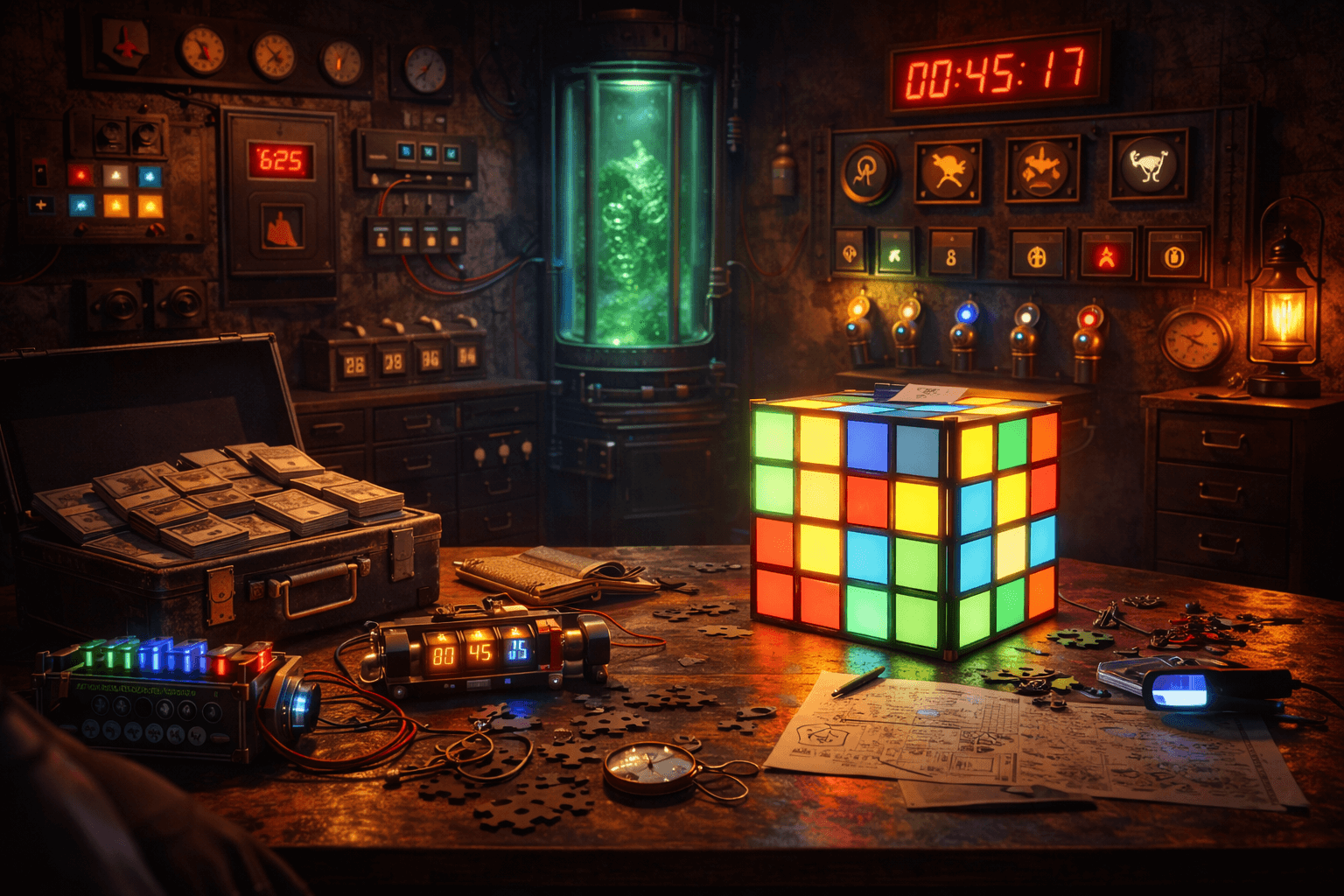
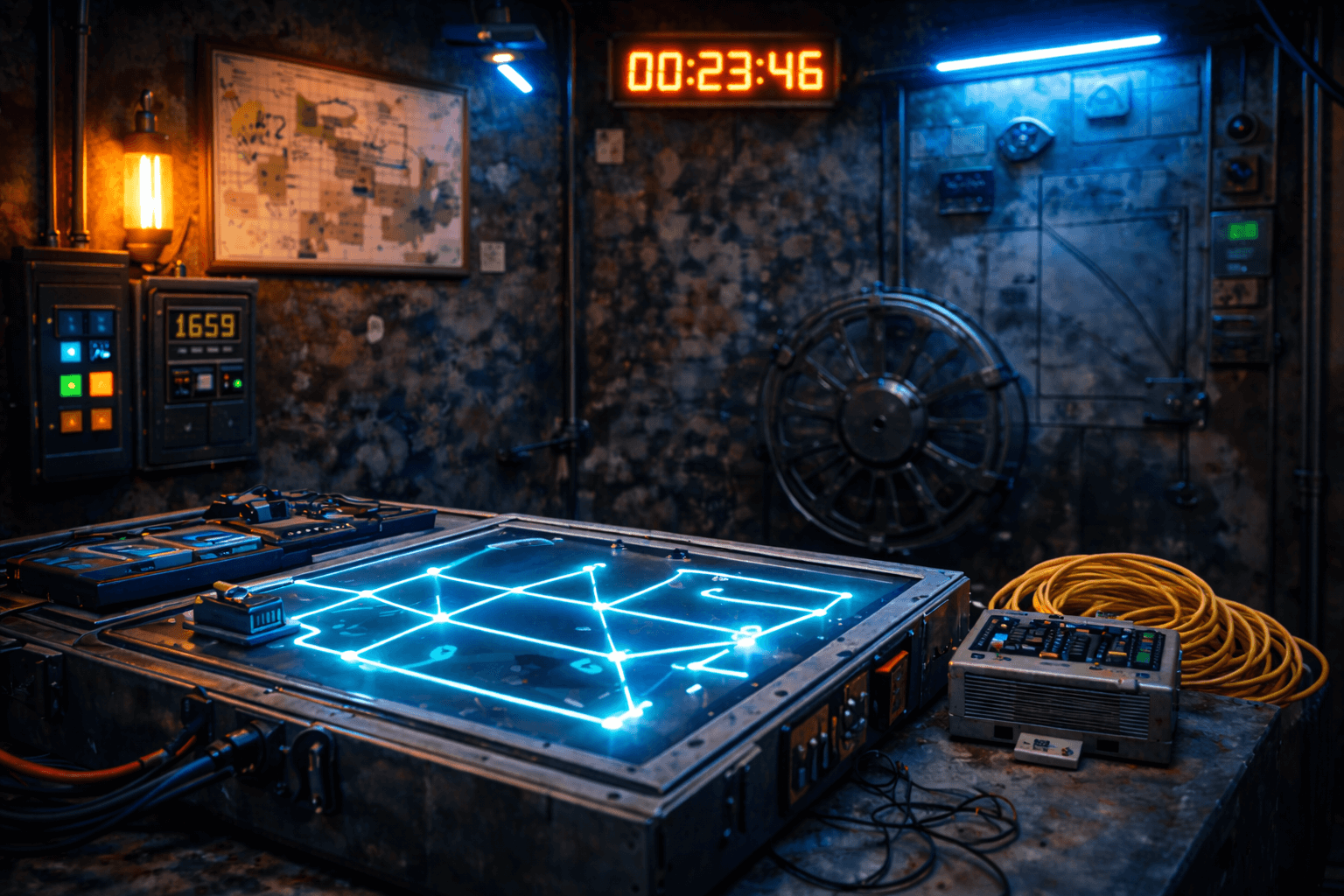
Imagine stepping into a themed world, a mysterious detective’s study, a forgotten tomb, or a futuristic lab with your mates, colleagues, or family.
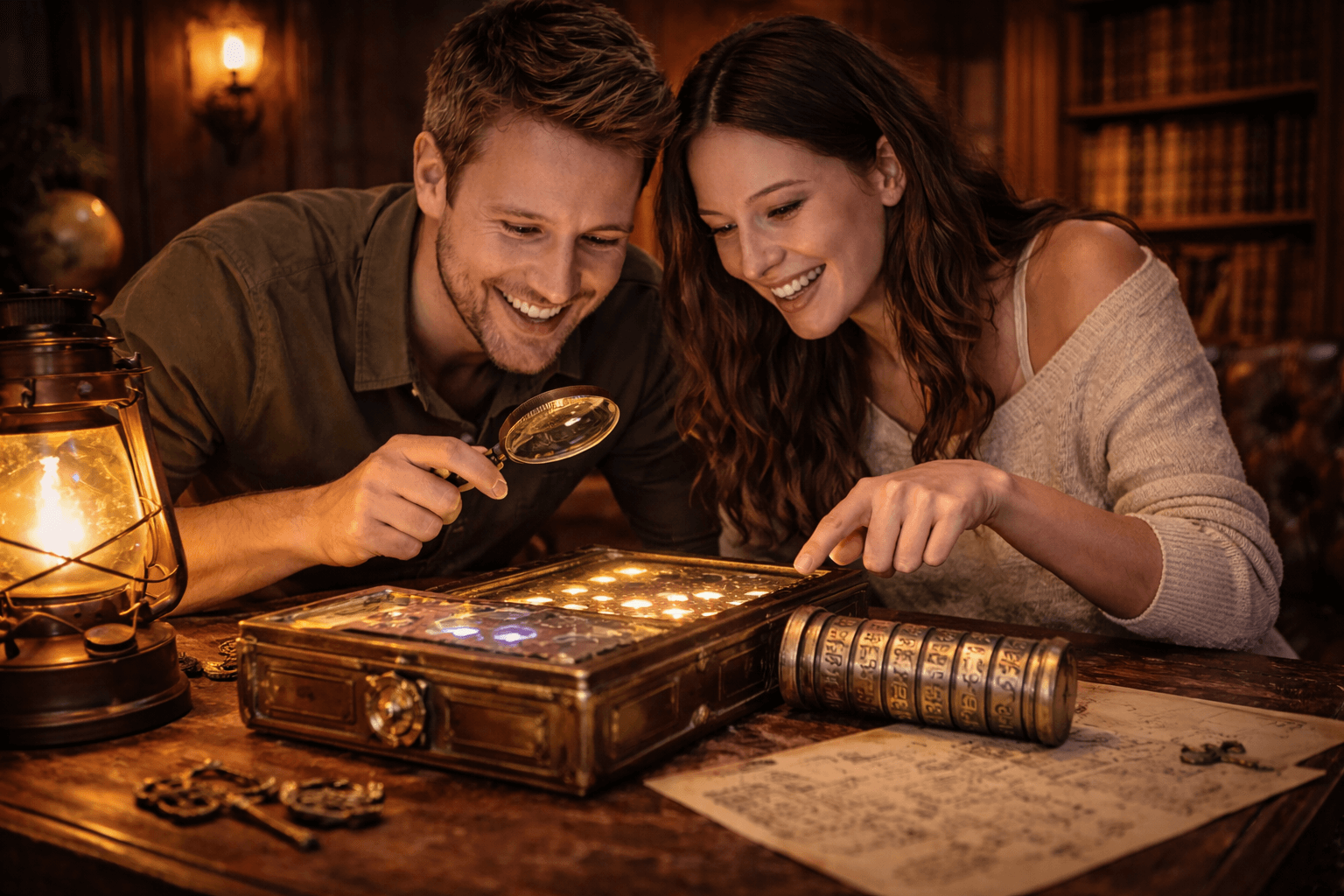
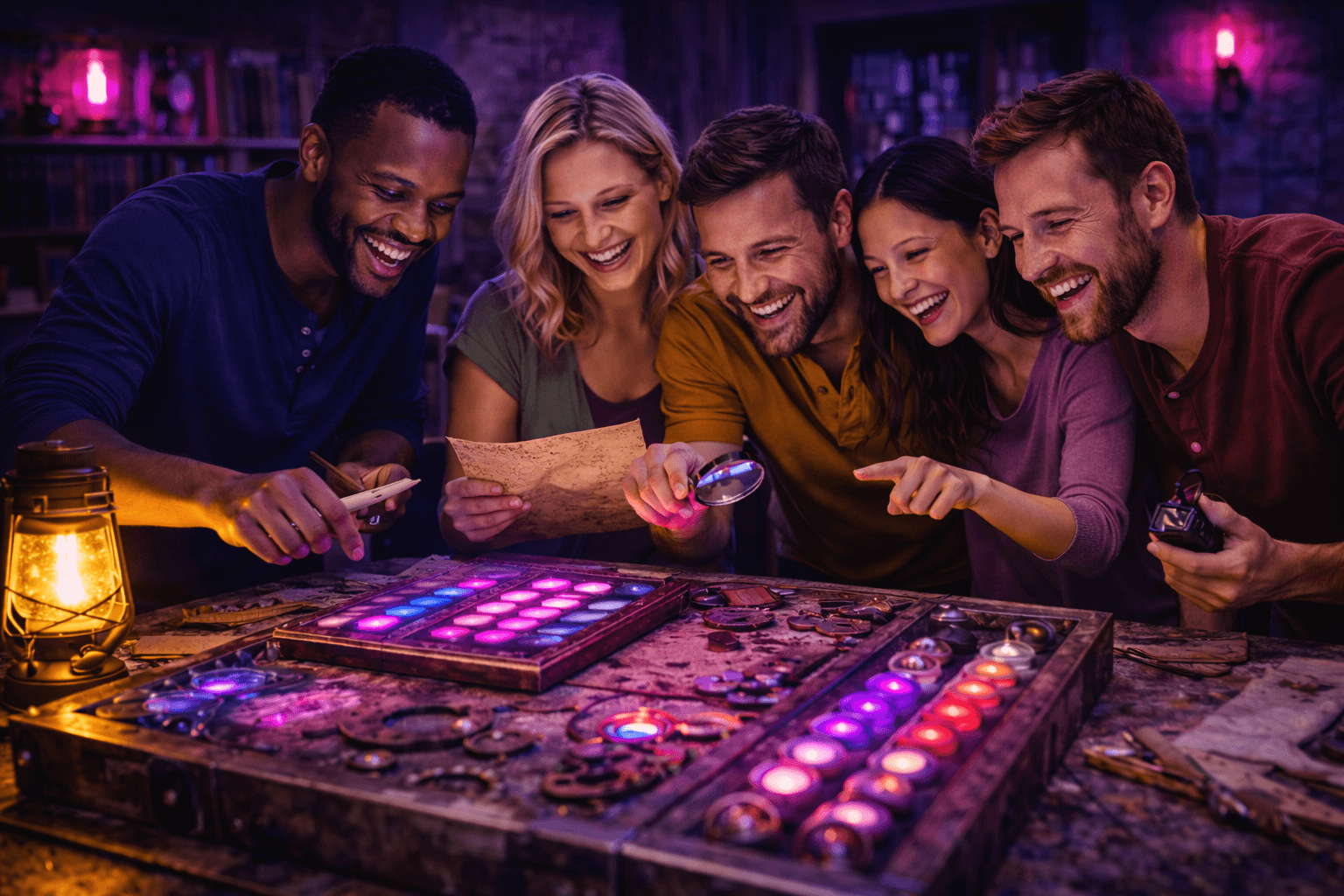
The entire group begin to speak while they conduct their search and their debate, which includes both laughter and thought processes. The escape room puzzles create their magic because participants need to work together with others to solve puzzles, which include riddles and secret codes.
The activity provides more than entertainment value. The social activity creates an essential impact which determines how people form relationships, develop bonds and retain memories of their shared experience. The Australian mystery room and adventure escape room both create strong emotional effects, which scientists have proven through research about human behaviour and group dynamics.
The activities provide more than entertainment value because they create bonds which strengthen communities, teams, and friendships.
1. The Social Glue: Why Groups Bond Inside Escape Rooms
The first thing anyone notices stepping into a puzzle-filled room is the connection that forms almost instantly.
Shared Challenges Build Instant Rapport
Escape rooms provide something resembling a level playing field. There’s no boss, no expert; there are just people who work toward a common goal. It’s a mutual victory with every new finding and grasp at hope, and even when I have a setback.”
This feeling of we’re in this together is strong. It makes strangers into collaborators and friends into teammates who recall the experience whose success isn’t measured only by puzzles solved but also in laughter, debate and cheering when that last lock pops open.
Communication Becomes Natural
Communication skills in daily life may tend to be overlooked until you’re being timed. Teams have to share discoveries, theories and insights on the fly, forcing everyone to learn the art of listening and speaking lucidly.
As your team begins to communicate about its thoughts, decision-making possibilities start to unfold as if by magic, with no awkward icebreakers or contrived activities necessary.
2. Escape Room Puzzles and the Combat of Teamwork
Rather than passively observing, escape rooms require teamwork. These encounters are not just incentivising collaboration but shaping how groups interact.
Role Discovery Happens in Real Time
Under the mystery room circumstances, strengths manifest differently. Perhaps one is good at recognising patterns, another at logic puzzles and someone else at finding the hidden compartments that no one else notices.
Roles are determined automatically, without someone having to decide, and this self-organisation process builds respect for each individual’s participation.
Constructive Conflict Strengthens Bonds
Escape room experiences don’t always go without a hitch; ideas can bump together. But that’s part of growth. These games encourage productive conflict — arguing about theories and negotiating tactics that ultimately result in better unity.
Rather than using disagreement as a wedge, groups figure out how to manage tension together, which ends up being a skill they can take with them.”
Pressure Turns into Productivity
That ticking clock can seem intense, but it does wonders to spur teams to concentrate and act decisively. This allows groups to see how they’ll perform under pressure: who leads the way, who supports and how well they perform under stress as a group.
3. The Emotional Resonance: Stories You Talk About for Years
Have you ever finished a game and then spent an hour replaying it in your mind as you slid into slumber? There’s a reason for that.
Psychological Engagement Creates Lasting Memories
Few people are indifferent to escape rooms, as they can involve multiple senses and emotions. From curiosity or excitement to tension and triumph, every team experiences an emotional high that stays with them in the end.
Whether it be an adventure escape room with a thrilling story or a murder mystery game full of philosophy that will challenge your thinking, the emotional bond to the characters and journey is what turns a simple game experience into a common voyage.
Shared Success Feels Unforgettable
And the only thing that unites a group more than overcoming adversity is doing it together. When the last piece of the puzzle is finally put in place, and that door swings open, it’s a collective victory: everyone had a role to play, and everyone knows it.
This shared triumph becomes narrative fuel, the stuff that teams come back to at lunches or when meeting each other for a drink or on a group chat months later.
4. More Than Just Fun: How Escape Rooms Can Teach Real-World Skills
In fact, mystery rooms and escape puzzles aren’t just entertainment; they hone genuine cognitive and social skills.
Critical Thinking Under Pressure
Competitors must assess information rapidly, link clues and begin to think outside the box. This fast cognitive action assists in enhancing logical thinking and flexible response.
Instead of being sedentary, as in a puzzle book or solo game, escape room experiences put minds into action and therefore help them get sharper over time.
Social Skills and Collaboration
Escape rooms can also enhance empathic communication and active listening. Members of a team also learn, among other things, to encourage quieter voices, be respectful of differences in thinking style and value input from every single member.
These are actual social development tools that have no borders in the game.
5. Australian escape room culture: a local adventure escape room Crazes & Fads
Here in Australia, escape rooms have moved from being a fringe pastime to the latest and greatest group activity available for friends, corporate groups, or families.
Fun for Everyone
From adventurous escape rooms in Melbourne to intricate puzzle rooms in Sydney, Australian escape room locations have something for everyone, no matter their age or interests!
The escape room puzzle provides a small-group experience like no other: an inclusive, immersive and memorable social activity.
Final Thoughts
Escape Room Puzzles: It’s More Than Just a Game?
It is social; it connects us, and, beyond friendship, mixtures can conjure up more than just remembrances. Whether you’re searching for clues in a mystery room or swashbuckling your way through an adventure escape room, the true story isn’t one of escaping; it’s who you escape alongside and what you take with you.
| Ready to experience the thrill for yourself?
Book your next escape and see how a shared challenge can transform your group dynamics forever! |
FAQs
1. How do escape room puzzles work?
Escape room puzzles are meant to test logic, perception, memory and creativity. Players discover clues, solve patterns, and ultimately put together clues frequently in rooms with themes that tell stories and place participants on a shared quest.
2. How do puzzles help with social development?
Puzzles are opportunities to make communication, attention and cooperation with an empathetic ear a more critical task. Groups discover how to articulate ideas, receive feedback, and work toward a common goal: strengthening real-world social skills.
3. Why do we always talk about the game for hours afterwards?
In escape rooms, emotionally tinged memories are forged through triumphant teamwork, friendly pressure and plot twists. These emotional peaks are the very things that feed storytelling long after the game has been packed away.
4. What sets mystery rooms apart from regular escape rooms?
Mystery rooms are often more storytelling and investigative than traditional escape rooms, with thematic clues and plot-driven puzzles rather than just logic-based challenges and spatio-temporal problem-solving.
5. Do escape rooms work for team building?
Absolutely. Etc., etc. They build communication, trust, leadership and group awareness — which is why we see them as an increasingly popular choice for corporate teams and sports groups (but really any kind of group looking to have a fun time).
6. Can first-timers enjoy escape rooms?
Yes! Australian escape rooms are suitable for all levels, and the friendly team will ensure everyone knows what they need to do and has a seriously fun time!
7. How many friends should I bring to the escape room?
Most rooms are designed for 2–6 participants, though larger adventure escape rooms can handle more. Play with your friends or family, and if you have a large number of people, play all at once.