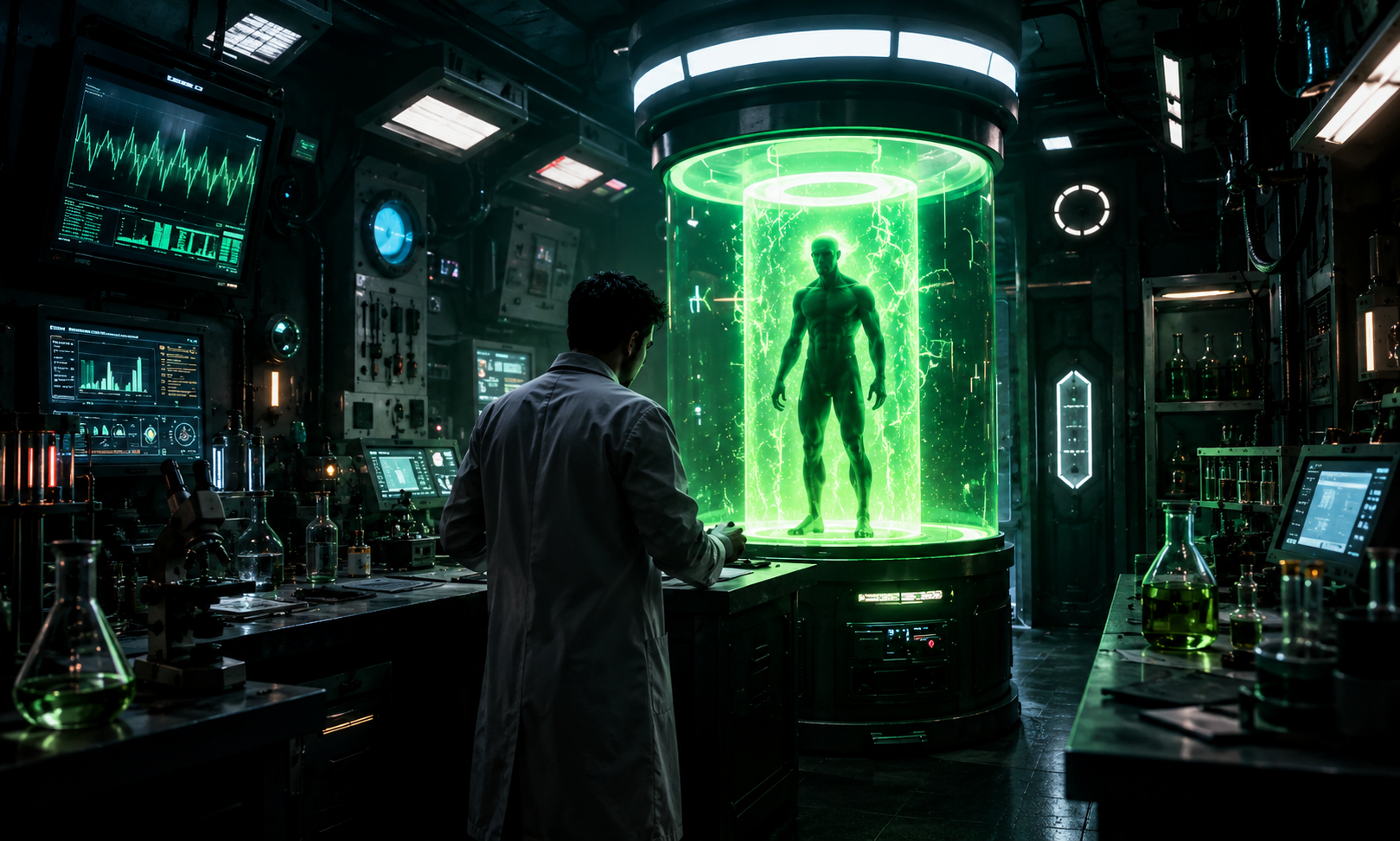
Through a Killer’s Lens: A Suspense-Filled Adventure Challenge
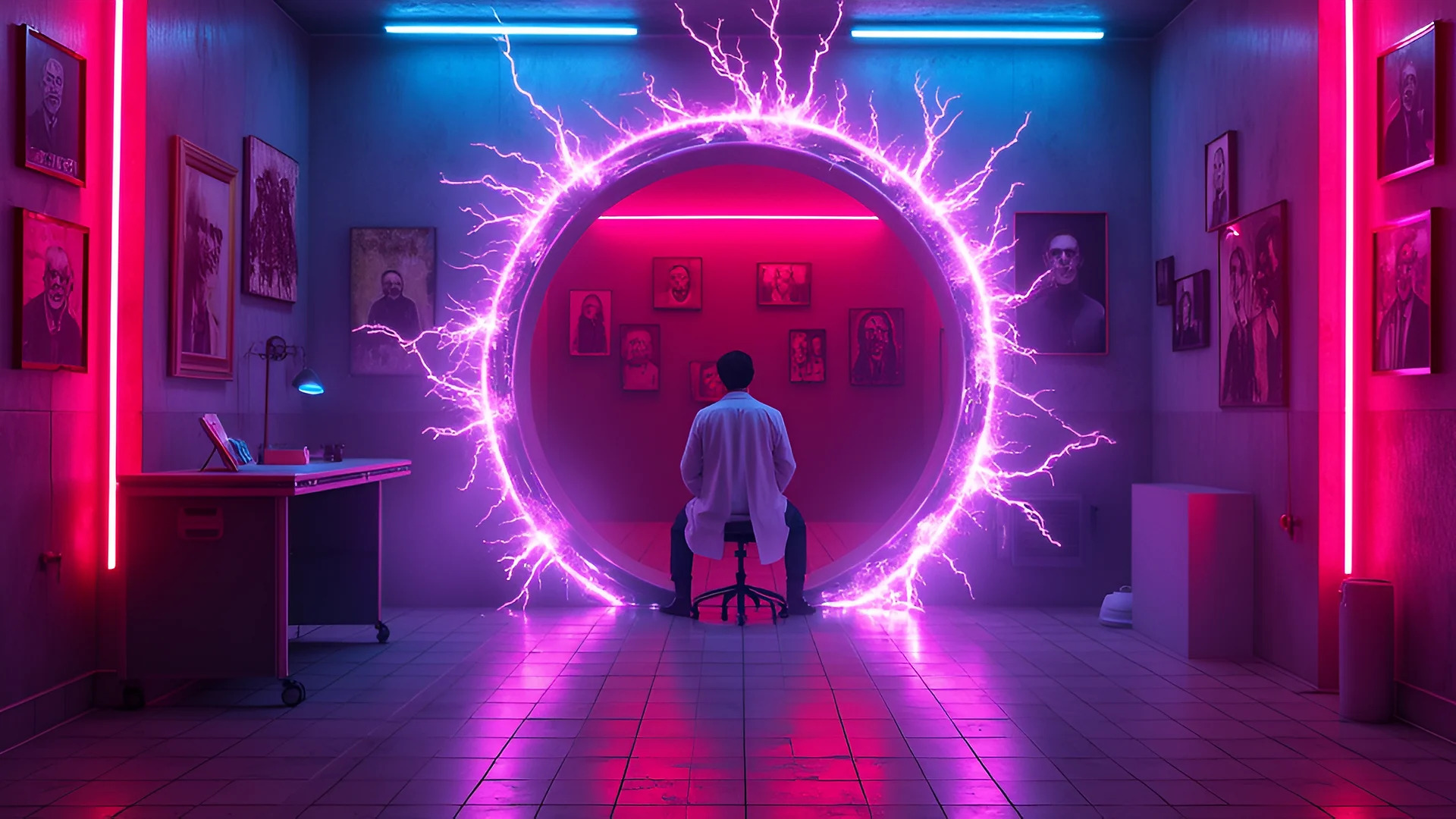
Most escape rooms ask you to outrun something—a bomb, a flood, a closing door. Through a Killer’s Lens, the suspense-themed mission at The Great Escape’s Klemzig venue, offers something quieter and far more unsettling. This adventure escape room challenges players to slow down, pay attention, and notice what others might miss. The story is simple enough to summarise in a sentence: a missing sister, a photographer under suspicion, and a darkroom filled with evidence nobody was meant to uncover. That simplicity is exactly what makes the tension work.
Why Suspense Outlasts Shock
There’s a useful distinction in suspense fiction between surprise and dread: a bomb that explodes without warning startles you for a second, but a bomb you know is ticking under the table keeps you alert for an entire scene. Escape rooms built around mystery use the second method. It’s not a case of players chasing a monster around a corner; it’s about them being seated with the uneasy feeling that there is something else inside the room that knows more than they do. Such an uneasiness is much more difficult to design than the actual scary moment itself since it requires good pacing instead of spectacle.
Reading the Room: Observation, Logic and Timing
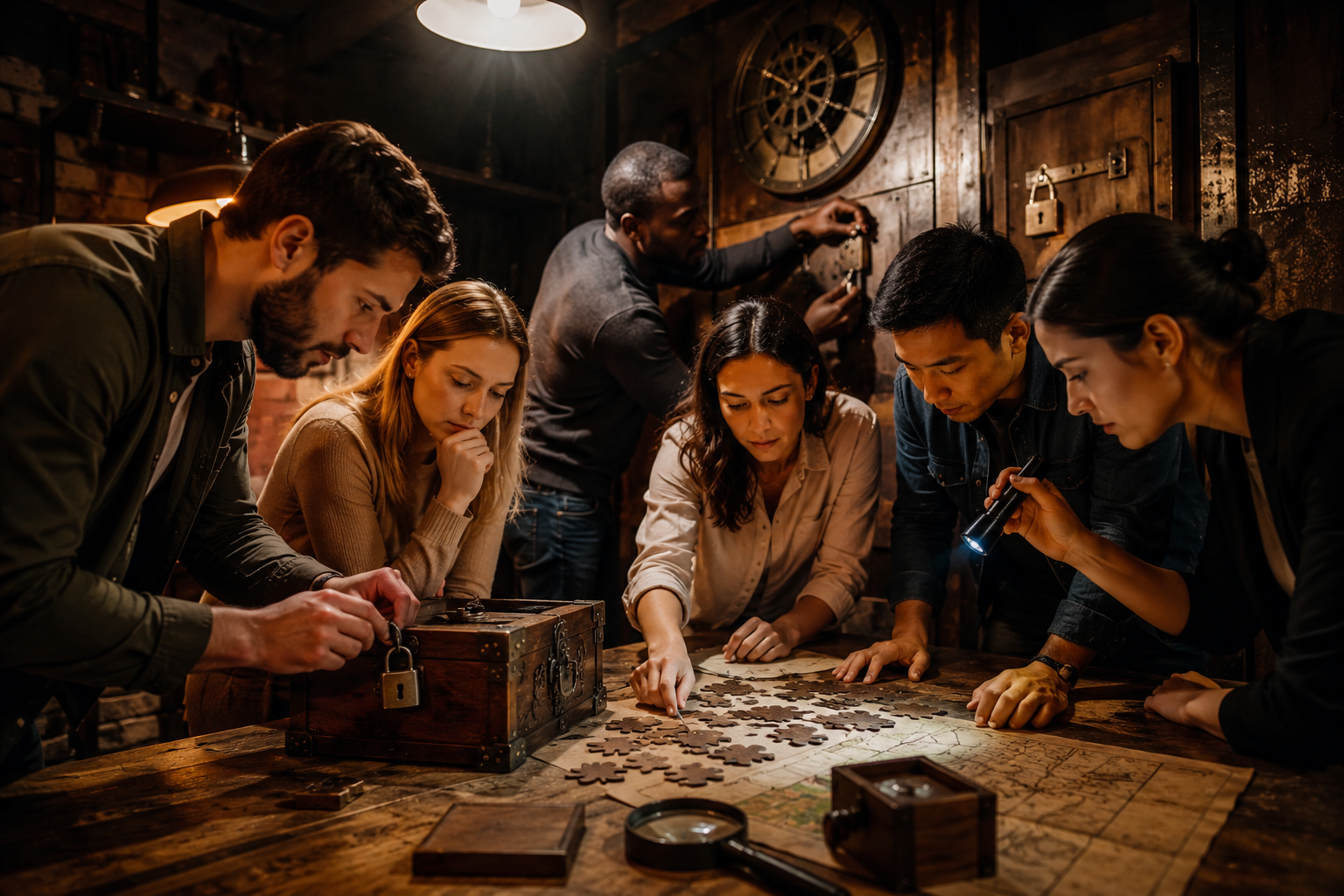
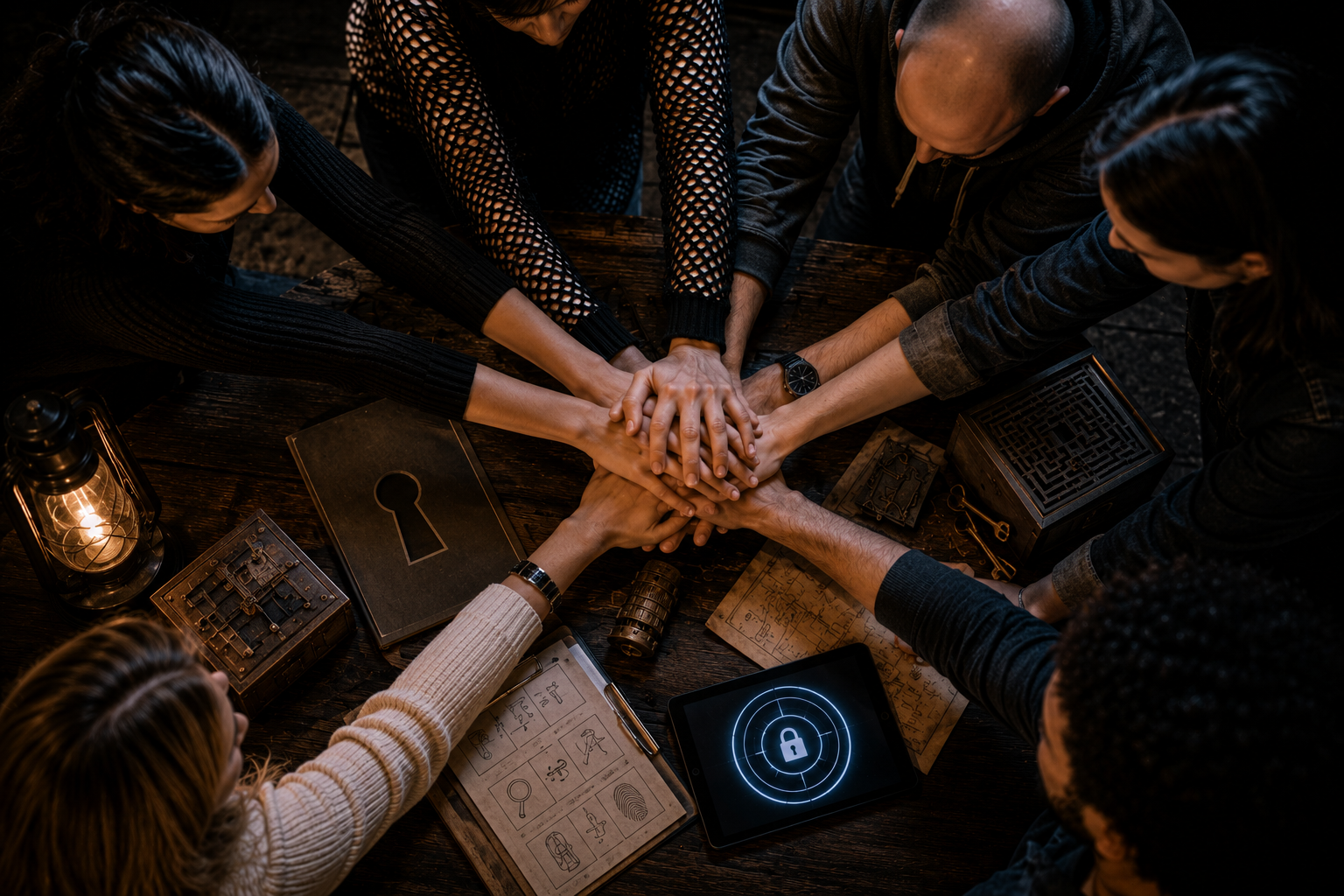
Puzzle design in a mystery room tends to work in layers. An early clue might look like a throwaway detail, a contact sheet, a torn note, a faint smell of chemicals, until a later puzzle asks players to recall exactly what was on it. That sequencing rewards two skills more than any other: observation and patience. Groups that read every surface before touching anything tend to move faster than groups that grab and guess, because half the puzzles in a well-built thriller room are really comprehension tests disguised as locks. Timing matters too. A group which divides and searches independently before reuniting to compare notes is generally quicker than one trying to do everything in one go; this tiny aspect of group psychology is utilised more by room designers than people think.
What Sets a Thriller Apart From Fantasy or Heist Themes
Fantasy and heist-themed rooms tend to lean on scale, bigger sets, louder reveals, a hero’s-journey arc that ends in triumph. A thriller works on restraint instead. There’s no dragon to defeat in Through a Killer’s Lens, just a darkroom, a stranger’s private life laid out in photographs, and the steadily growing sense that you shouldn’t be there. That smaller scale is deliberate. Grounded scenarios are harder to dismiss than fantastical ones, because the danger feels plausible rather than theatrical, and plausible danger keeps a group quiet and focused in a way that swashbuckling adventure rarely does. It’s also why thriller rooms tend to suit players who’ve outgrown the novelty of costumes and special effects and want a story that could, in theory, almost happen.
Environmental Storytelling and the Pressure of Working Together
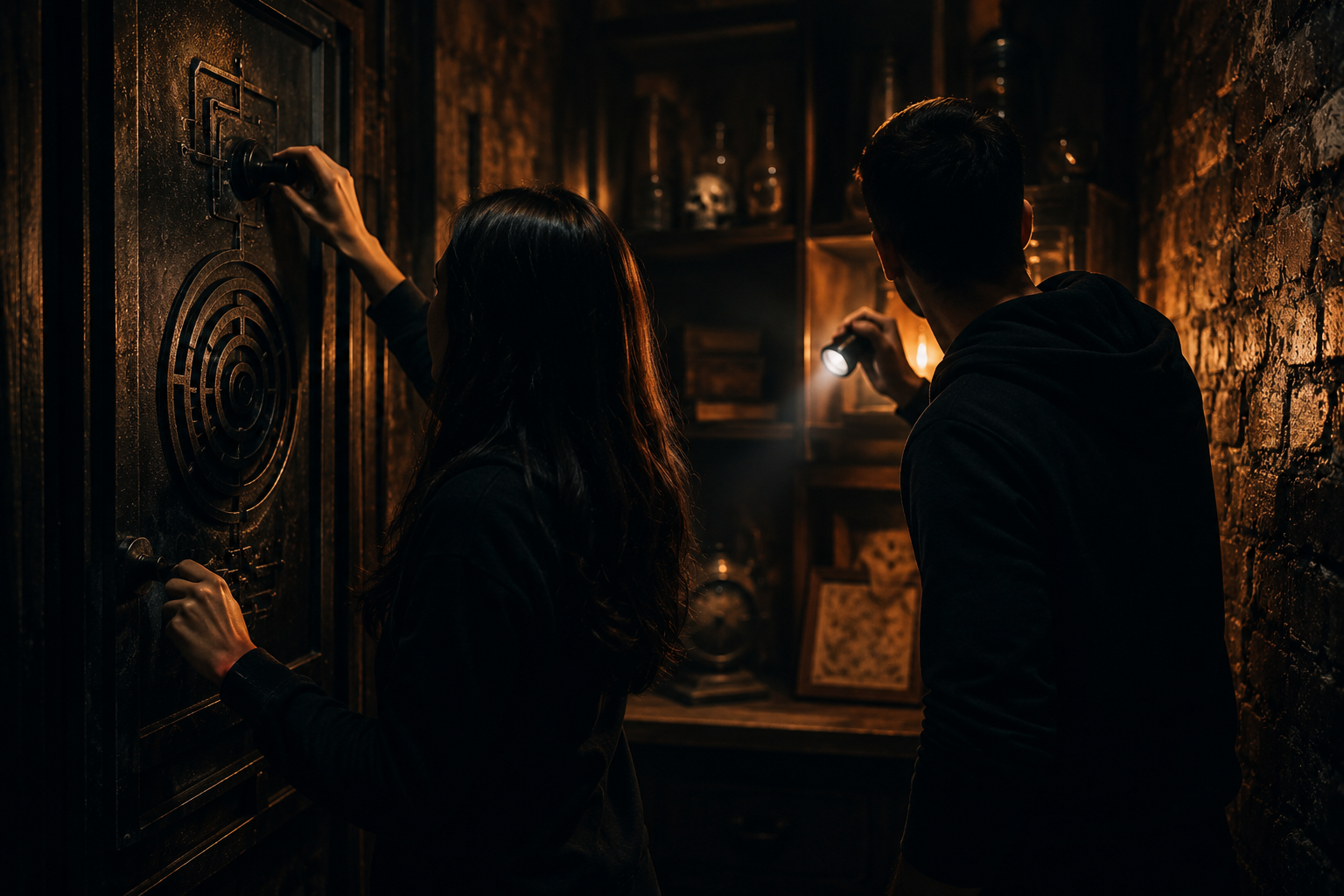
This can’t happen without environmental storytelling, where the story is told through the items in the room, and not a narrator. A believable darkroom requires developing trays with signs of wear, negatives that stand up to scrutiny, notes that feel like they were written in a rush. And if this part is done well, the players don’t see the puzzles as puzzles anymore, but as evidence. People speak more quietly. They double-check each other’s reading of a clue instead of racing past it. That shift is part of what separates a serious adventure escape room from a more forgettable one, and it’s also what most people searching adventure games near me on a weekend are actually hoping to find, even if they wouldn’t phrase it that way.
A Weeknight or Weekend Fixture in Klemzig
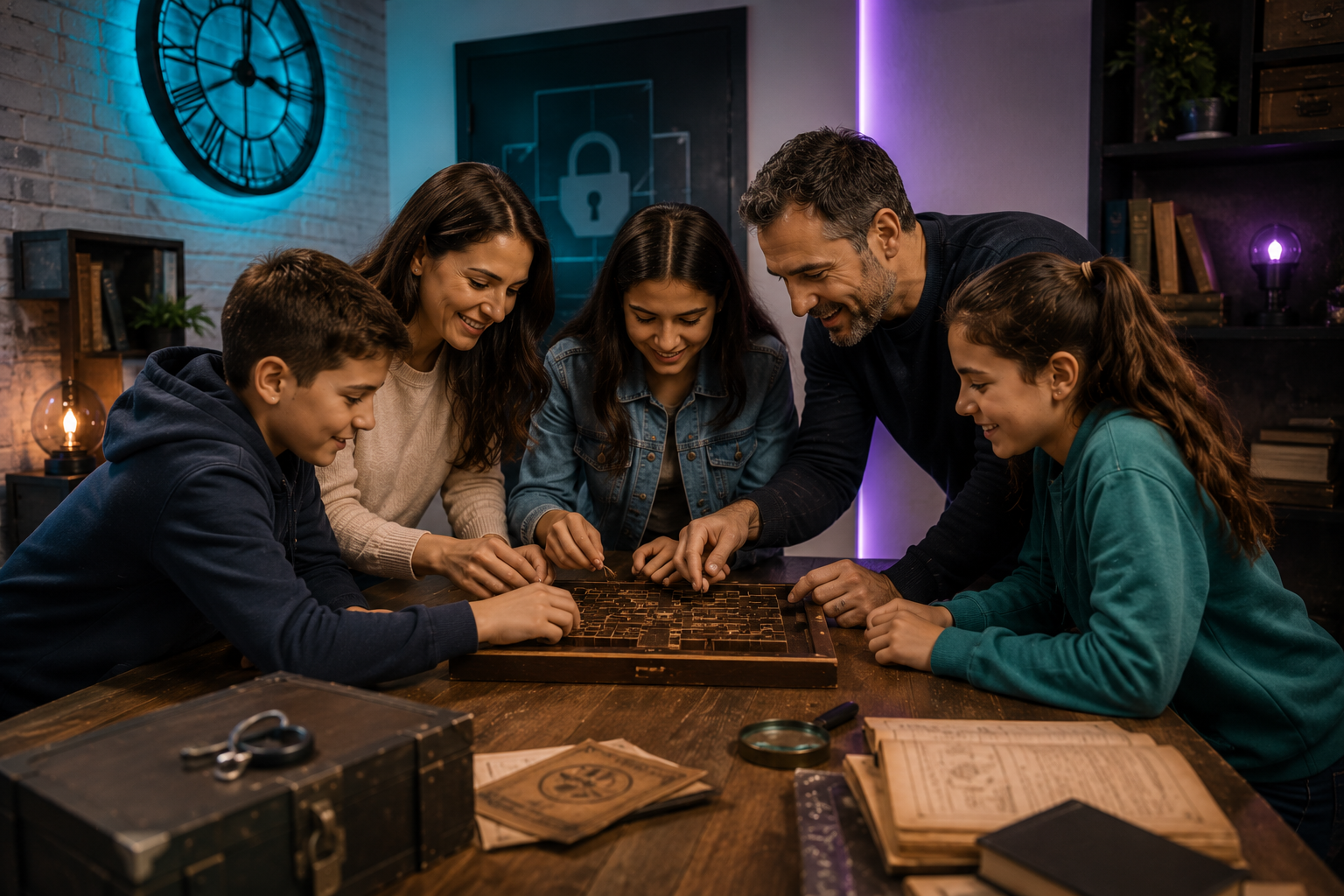
Klemzig sits on North East Road, close enough to Adelaide’s inner suburbs that groups from Walkerville, Modbury and the CBD treat it as a short trip rather than an outing that needs weeks of planning. That convenience matters more than it sounds: a good weekend activity has to survive the moment someone asks what everyone actually wants to do tonight, and an indoor, weather-proof option with a fixed sixty-minute runtime answers that question better than most. Adelaide’s appetite for adventure games near me has grown steadily over the past few years, less as a novelty and more as a default choice for a Friday or Saturday that doesn’t revolve around dinner and a film. Through a Killer’s Lens suits groups of two to eight, which covers most friend circles, small families and the occasional work team after something sharper than the usual trivia night, and it’s one reason this escape room in Klemzig keeps appearing in repeat bookings rather than one-off visits.
What ties all of this together, the puzzle sequencing, the restraint, the quiet pressure of a closing window, is that a genuinely well-built adventure escape room doesn’t need to shout to be memorable. It just requires being taken into account, something that, in the end, has always been the hallmark of every good mystery.
Frequently Asked Questions
- What can players expect from a suspense-themed escape room adventure?
Gaming enthusiasts should look forward to growing levels of suspense that arise through observing and discovering, rather than through scare tactics, as well as clues, puzzles and a story line that require observation, patience and teamwork -
Is a thriller-style escape room suitable for groups?
Certainly. Thriller games are best suited for small groups consisting of two to eight people, since the splitting of attention and discussing possible solutions speed up solving of the puzzle for the entire group.
-
What makes a mystery escape room more engaging than traditional games?
A mystery room game combines both puzzles and a story line, therefore increasing the level of engagement for gamers.